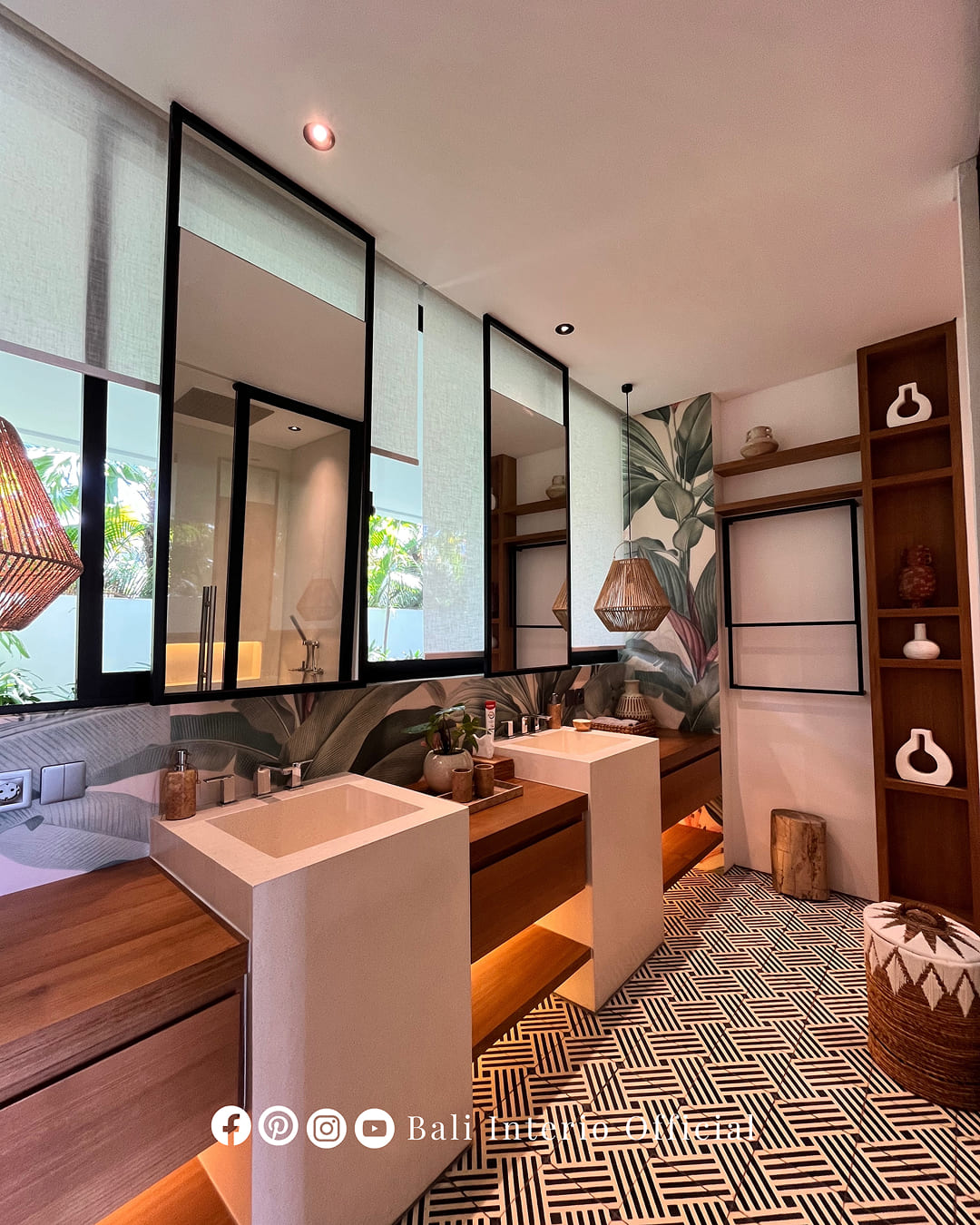
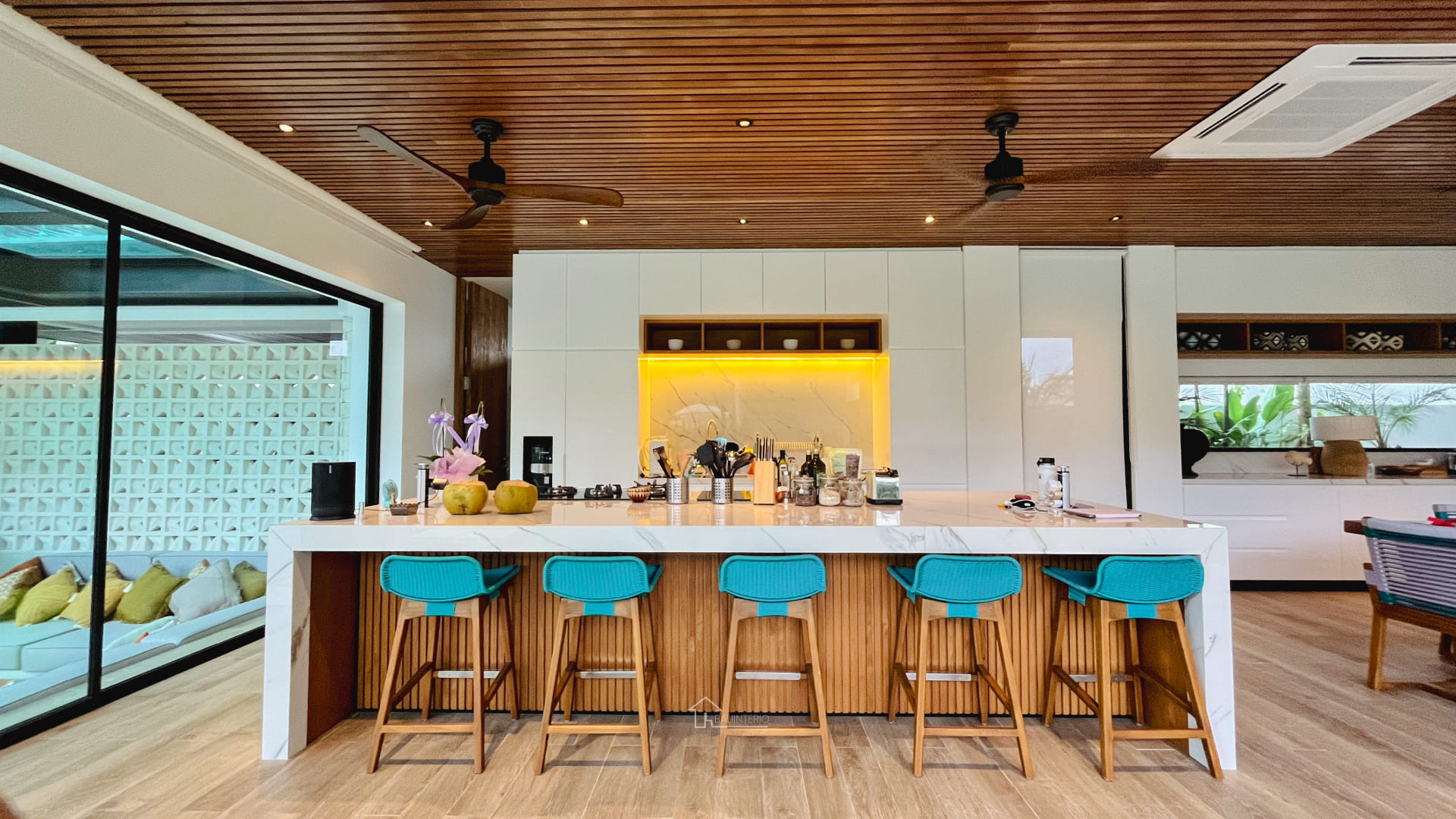


Selecting a reliable bespoke furniture manufacturer bali delivers one of the most rewarding steps in creating a luxury private residence, outfitting a high-yield vacation villa, or establishing a commercial sanctuary. Bespoke joinery allows you to tailor every piece to exact spatial dimensions, architectural themes, and daily functional requirements. From sprawling kitchen islands and floor-to-ceiling built-in wardrobes to floating media consoles, custom manufacturing converts abstract architectural concepts into physical reality.
However, navigating the custom furniture ordering process for the first time presents unexpected operational challenges. Without a clear understanding of material science, vendor manufacturing capabilities, and tropical climate pressures, buyers frequently make pre-production errors. These oversights lead to bloated budgets, severe delivery delays, and joinery that rapidly degrades under Bali’s environmental conditions.
Understanding the four most common planning mistakes empowers you to make informed decisions that protect your real estate investment.
Unlike loose retail furniture that you can return or rearrange effortlessly, custom furniture represents permanent architectural joinery. Consequently, integrated cabinetry anchors directly into floor slabs and wall structures while housing electrical conduits, plumbing lines, and stone surfaces.
When a bespoke furniture manufacturer bali fabricates custom joinery without pre-production engineering, minor miscalculations become major structural defects. A wardrobe built with incorrect internal depth forces clothes hangers to sit sideways. Similarly, a kitchen island fitted with low-grade drawer slides sags under the weight of heavy cookware. Therefore, treating custom joinery fabrication as a precise engineering discipline guarantees visual elegance, ergonomic comfort, and lasting structural stability.
The most common error first-time buyers make is focusing exclusively on visual appearance—such as color palettes, wood-grain patterns, or social media inspiration photos—while ignoring operational ergonomics.
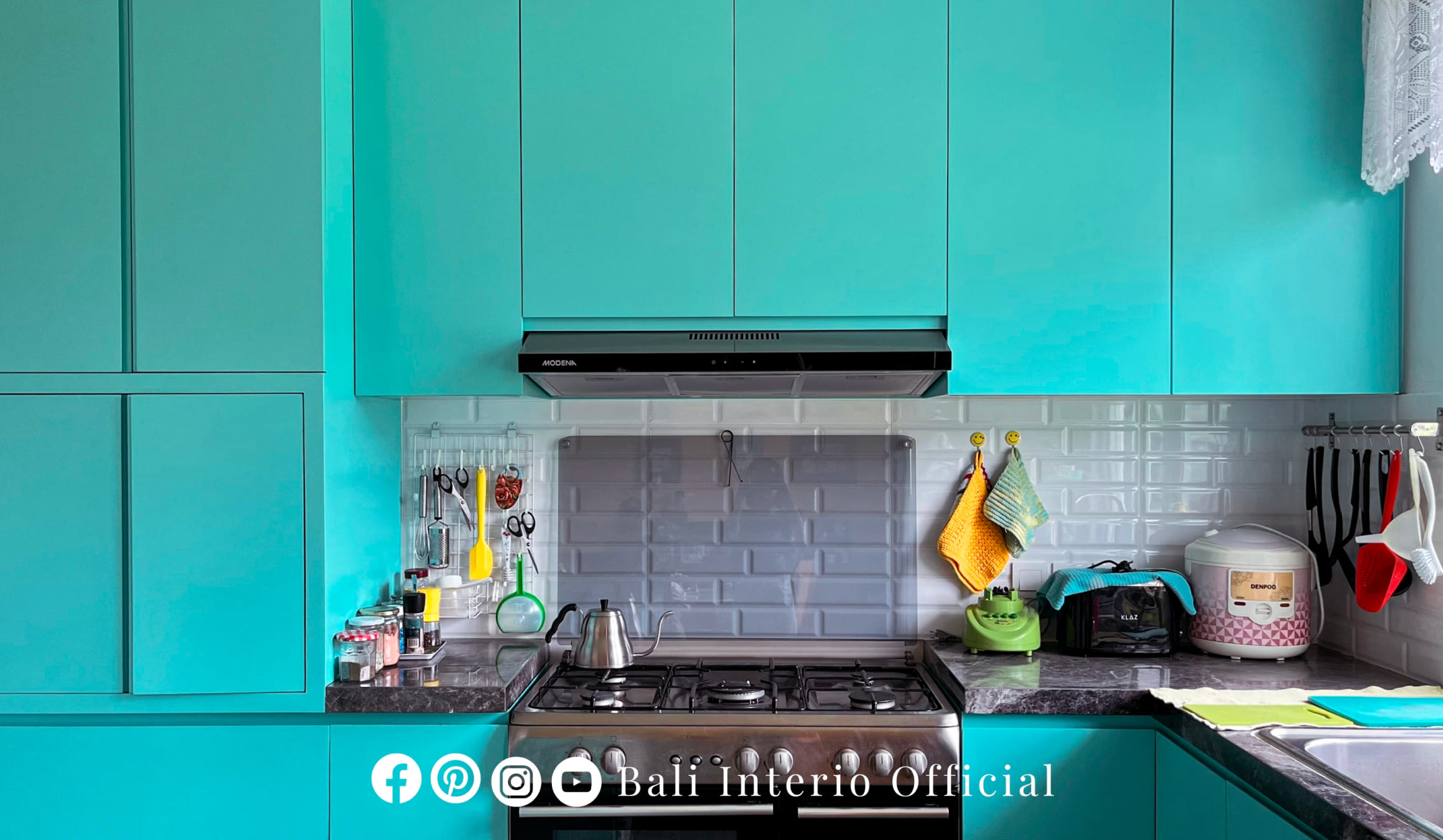
Specifically, a custom kitchen set may look stunning in photos, but if it lacks sufficient drawer depth or neglects the classic Work Triangle (refrigerator, sink, cooktop), preparing meals becomes frustrating. Similarly, a minimalist wardrobe may look sleek on the outside, but an unorganized interior layout causes daily clutter.
Budget management remains crucial for any construction project. However, choosing a custom furniture vendor based exclusively on the lowest quote almost always leads to expensive repairs later.
Custom furniture pricing reflects raw material grades, hardware origin, machinery precision, and quality control. When a vendor offers a price significantly below market average, cost-cutting happens behind the scenes:
Evaluating quotations based on long-term value rather than initial purchase price prevents premature joinery replacement just 1 to 2 years down the line.
Bali’s coastal environment presents severe physical challenges to interior joinery. Ambient relative humidity frequently exceeds 80%, coastal salt air accelerates metal corrosion, and seasonal temperature shifts cause raw timber to expand and contract continuously.
Using materials designed for dry climates leads to rapid structural failure in Bali. Standard particleboard absorbs water vapor rapidly, causing cabinet doors to warp, laminates to delaminate, and fungal mold to flourish inside closed wardrobes.
To ensure longevity, partner with a bespoke furniture manufacturer bali that mandates climate-resilient substrates for all custom joinery:
In the digital era, informal workshops easily publish attractive social media profiles using stock 3D renders or stolen project photos. Hiring a vendor without verifying their actual fabrication facility frequently results in disappointment.
An inexperienced vendor may struggle with complex joinery, lack specialized machinery required for zero-gap edge banding, or fail to manage production schedules, causing major construction delays for your property.
Always request a comprehensive vendor audit before signing contracts:
Ordering custom furniture should be a seamless journey that transforms your interior design vision into durable architectural reality. By avoiding common planning traps, you ensure your joinery performs flawlessly for years to come.
At Bali Interio, we eliminate the risks of custom furniture fabrication. As Bali’s premier bespoke furniture manufacturer bali, we operate a state-of-the-art industrial production facility equipped with European machinery—including automated lamination presses, Selco panel saws, and multi-axis CNC routers.
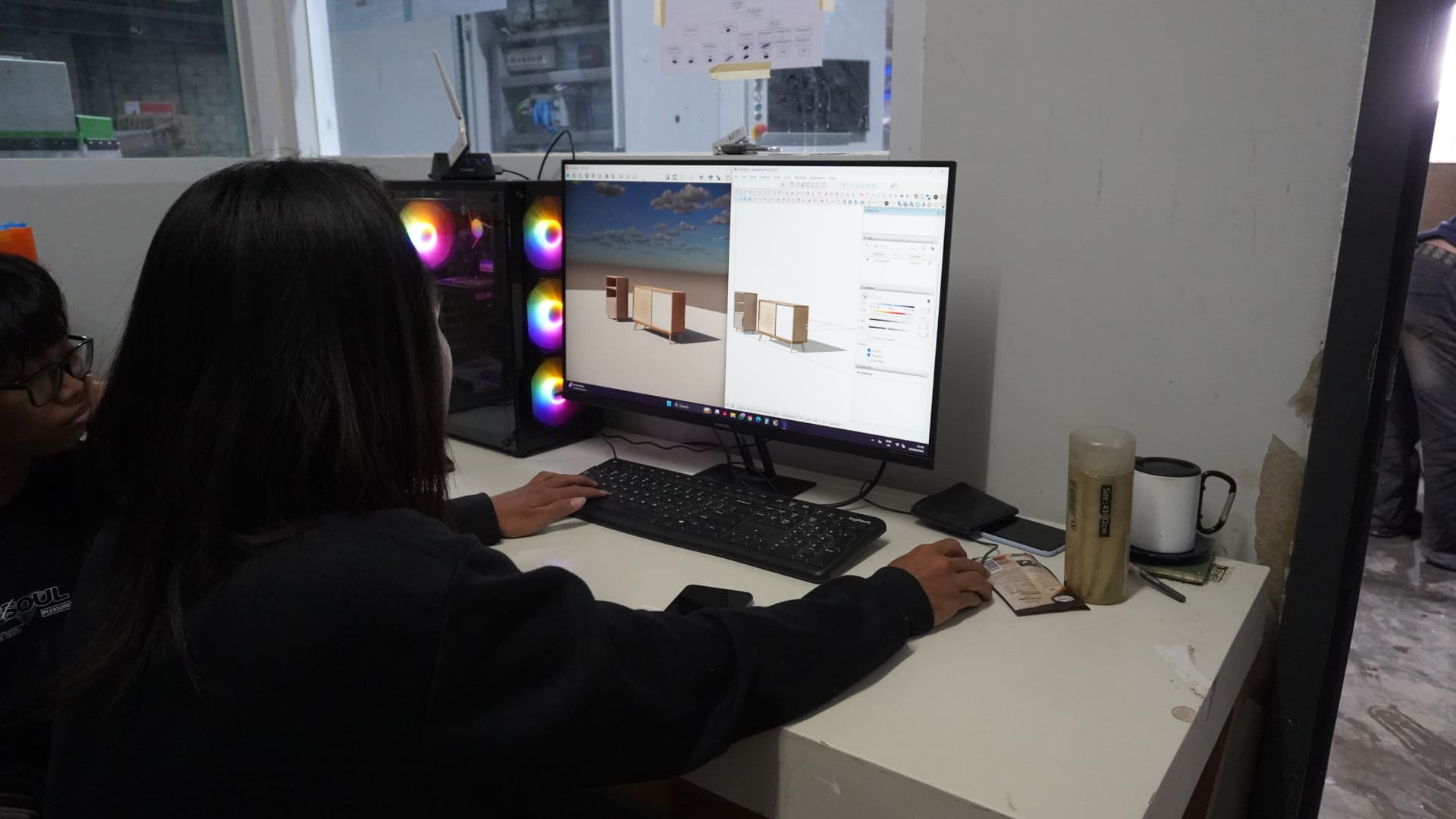
From 3D CAD shop drawings and site laser surveys to factory production using SVLK-certified materials and white-glove installation, our engineering team manages every detail. Contact the Bali Interio team today to schedule an initial consultation and request a custom joinery proposal.
Delivering custom interior solutions and fine craftsmanship for residential, hospitality, and commercial projects across Bali.