

Custom Interior Furniture in Bali: Why Property Owners Regret Ready-Made Choices
Custom Interior Furniture in Bali: Why Ready-Made Regrets Happen Blog When you outfit a new residential home, update an urban apartment, or furnish a luxury vacation villa in Bali, you face a critical initial crossroads. Specifically, should you purchase ready-made retail furniture from a local showroom, or commission bespoke custom interior furniture in bali engineered specifically for your exact floor plan? At first glance, off-the-shelf retail furniture appears to be the simpler, faster, and more economical choice. Showrooms offer immediate off-the-floor delivery, pre-priced catalog tags, and attractive promotional displays. However, ask property owners two or three years after moving into their homes or launching their rental villas, and a clear pattern emerges. A vast majority express deep regret over choosing ready-made retail furniture. They discover that ready-made items leave awkward gaps, lack necessary storage capacity, clash visually across open living rooms, and rapidly degrade under Bali’s demanding tropical climate. Understanding why property owners regret buying off-the-shelf furniture empowers you to avoid the “double spending trap” and invest in custom joinery that delivers spatial harmony, structural strength, and long-term financial value from day one. The “False Economy” of Off-the-Shelf Retail Furniture In property investment and interior design, a false economy occurs when an option that appears cheap initially ends up costing significantly more over time. Ready-made retail furniture represents the ultimate interior false economy. When you purchase standard retail furniture, you are paying for mass manufacturing, global shipping overhead, showroom retail markups, and flat-pack packaging. What you are not paying for is high-density moisture-resistant timber, precision site laser surveys, or custom spatial engineering tailored to your room. Within 12 to 24 months of daily use, the limitations of retail furniture become unavoidable. Property owners find themselves replacing warped cabinets, buying secondary storage boxes to handle excess clutter, or undertaking expensive interior renovations to replace failing items. 1. Dimensional Mismatches and Dead, Wasted Space Residential architecture is rarely composed of perfect right angles or standardized wall lengths. Walls exhibit subtle plaster variations, ceilings feature structural beam drops, and floor slabs have slight level variances. Consequently, mass-market retail furniture built to rigid catalog dimensions creates severe spatial friction. When placed against a wall measuring 225 cm, a retail cabinet leaves an awkward 25 cm gap on the side. This empty space becomes an unreachable dust trap, collects lost items, and disrupts the clean visual lines of the room. Custom joinery eliminates wasted space completely. Built to exact millimeter measurements based on 3D site laser surveys, custom built-in wardrobes, kitchen sets, and TV consoles fit flush against wall contours, structural columns, and ceiling lines, maximizing 100% of available floor-to-ceiling volume. 2. Inadequate Storage Capacity and Daily Clutter Accumulation Off-the-shelf furniture prioritizes shipping efficiency and low production cost over specialized internal storage ergonomics. Retail wardrobes typically feature basic upper shelves and a single fixed hanging rod, leaving vast areas of empty vertical space inside the cabinet. As daily living unfolds, storage quickly overflows. Shoes pile up in bedroom corners, suitcases occupy floor space, and kitchen appliances clutter countertops. Bespoke custom furniture begins with an inventory audit of your personal belongings. Custom wardrobes feature calculated double-tier hanging rods, velvet-lined accessory drawers, hidden shoe racks, and built-in safe compartments. Furthermore, custom kitchen joinery incorporates pull-out pantry towers, deep undermount drawers, and appliance garages. Tailored storage keeps living areas permanently organized and clutter-free. 3. Rapid Material Degradation in Bali’s Humid Tropical Climate Bali’s tropical climate presents severe physical challenges to furniture construction. Ambient relative humidity frequently exceeds 80%, coastal salt air accelerates metal corrosion, and tropical wood-boring insects threaten soft timber. To keep retail prices low, mass-market furniture brands utilize low-density particle board covered with thin paper foil laminates. Under tropical humidity, low-density particle board acts like a sponge. It absorbs moisture rapidly, swells along panel edges, delaminates, and harbors fungal mold. At Bali Interio, custom joinery is engineered specifically for tropical climate endurance. We build cabinet carcasses using High Moisture Resistance (HMR) board and SVLK-certified Marine-Grade Plywood bonded with water-resistant Polyurethane hot-melt edge sealing. Combined with heavy-duty European soft-closing hardware, our custom furniture resists moisture swelling and termite damage for decades. 4. Visual Mismatch and Style Clashes Across Open-Plan Living Zones In modern Bali villa architecture, open-plan living pavilions seamlessly connect the lounge, dining area, kitchen, and outdoor pool deck. Achieving visual harmony across these connected zones requires a unified material language. Purchasing individual retail pieces from different showrooms inevitably leads to an interior style clash. The wood stain of the dining table conflicts with the TV console, the kitchen cabinet laminates conflict with the wardrobe doors, and hardware finishes clash. Custom joinery ensures absolute material cohesion. By utilizing a consistent material palette—such as natural teak wood veneers, warm sand Duco lacquers, and brushed brass hardware across all built-in cabinetry—your entire interior operates as a harmonious, hotel-grade sanctuary. 5. The Double Spending Trap: Buying Twice Over a Short Window The most painful regret for property owners is financial. When ready-made retail furniture breaks, warps, or fails to meet functional needs after 24 months, owners face a difficult choice. They must either live with unsightly, broken furniture or throw it away and commission custom joinery. Choosing the latter means paying twice for the same living space. The money spent on initial retail furniture, delivery fees, and assembly labor is completely lost. Investing in high-quality custom joinery from the start eliminates this double expenditure, delivering a durable, high-value asset that performs reliably for a lifetime. Build Your Permanent Sanctuary with Bali Interio Choosing custom furniture from the start saves you time, prevents financial regret, and transforms your property into a beautiful, highly organized sanctuary. By eliminating dead gaps, maximizing vertical storage, and utilizing climate-resilient materials, bespoke custom joinery provides an uncompromised interior experience. At Bali Interio, we take the stress out of custom furniture manufacturing. As Bali’s premier turnkey interior design and custom joinery manufacturer, we combine European industrial machinery with master artisan craftsmanship. From initial 3D CAD spatial design and site laser surveys to factory production using
Custom Interior Furniture in Bali: Tasteful Heritage & Nusantara Design
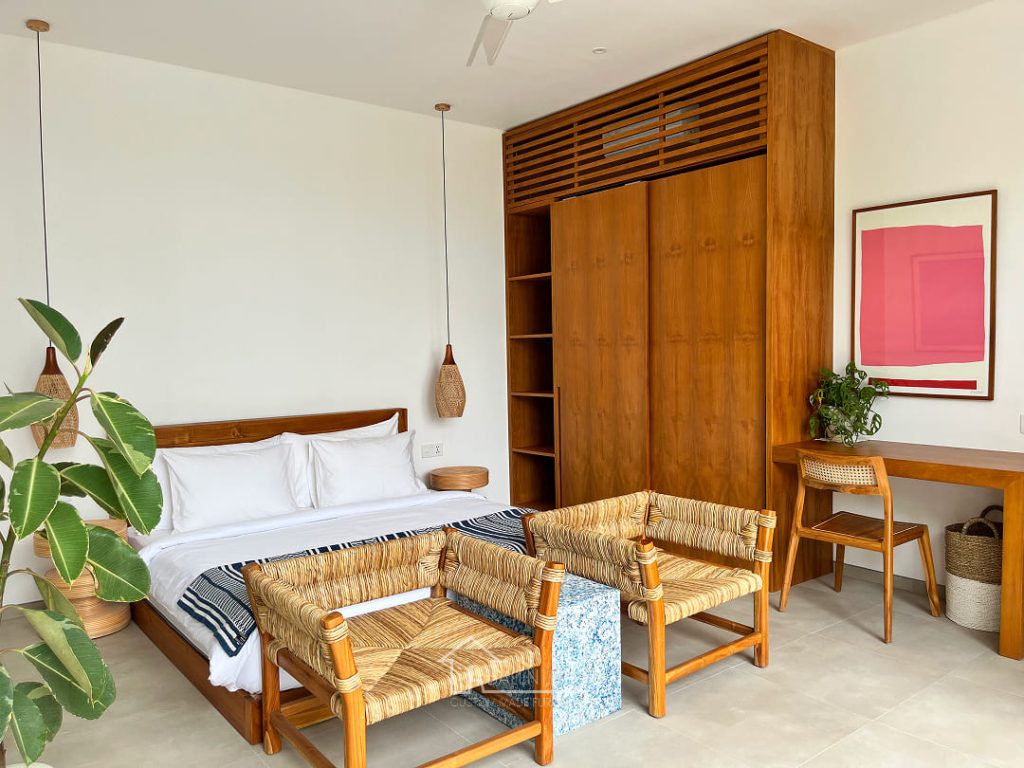
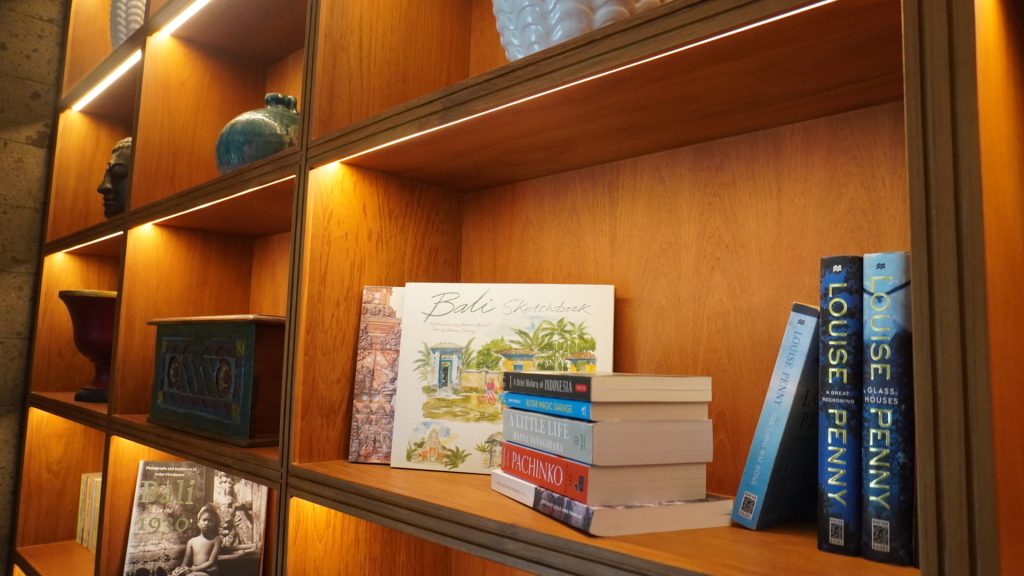
Custom Interior Furniture in Bali: Tasteful Heritage & Nusantara Design Blog Every August, during Indonesian Independence Day celebrations, a wave of national pride sweeps across the archipelago. Streets light up with red-and-white banners, traditional games fill neighborhood squares, and commercial venues drape themselves in patriotic colors. Consequently, for many property owners and villa developers in Bali, this festive season sparks a broader architectural ambition. Specifically, property owners often ask: how can we express love for Indonesian heritage through our interiors without making the home look garish, tacky, or like a temporary holiday display? Incorporating patriotic themes or local cultural motifs into a luxury villa requires a refined touch. Overusing bright scarlet red, displaying cheap plastic decorations, or crowding rooms with uncoordinated folk souvenirs creates visual chaos. However, true luxury and cultural reverence coexist seamlessly. When traditional Indonesian elements—known collectively as Nusantara design—are integrated thoughtfully into clean, modern architectural frameworks, spaces transform into sophisticated sanctuaries. The Fine Line Between Cultural Elegance and Visual Clutter Indonesian culture is extraordinarily rich, boasting thousands of distinct ethnic art forms, textiles, wood-carving traditions, and natural building materials. From the intricate geometry of Javanese Batik and the vibrant hand-woven Tenun of Sumba to the expressive wood relief carvings of Bali, local craftsmanship possesses immense artistic weight. Despite this beauty, the primary mistake in cultural decorating is trying to display too many intense elements simultaneously. When high-chroma red paints, busy textile patterns, and heavy dark wood carvings compete for attention in a single room, the human eye suffers from visual fatigue. Therefore, restraint remains the golden rule of heritage interior styling. 1. The Art of Subtle Red-and-White Accent Distribution The national colors—red (merah, symbolizing courage) and white (putih, symbolizing purity)—carry deep patriotic meaning. However, painting an entire living room wall bright primary red makes the space feel aggressive, hot, and visually restrictive. Earthy Red Alternatives: Instead of harsh fire-engine red, select sophisticated, earthy variations derived from natural dyes. For instance, consider deep crimson, terracotta, burnt sienna, dark ruby, or muted maroon. Textile & Accessory Swaps: Pair crisp white or unbleached linen sofas with deep ruby throw pillows, a hand-dyed red Tenun Ikat throw blanket, or a handcrafted red ceramic vase resting on a custom teak coffee table. Harmonious Contrast: The contrast between warm off-white surfaces, rich natural timber, and deep red textile accents evokes national identity while maintaining a tranquil, modern atmosphere. 2. Celebrating Premium Local Materials: Solid Teak, Rattan & Woven Fibers Patriotism in interior design extends far beyond national flag colors. Fundamentally, it is about honoring and preserving local natural resources and artisan heritage. Fortunately, Indonesia is blessed with some of the world’s finest timber species and natural weaving fibers. Kiln-Dried Solid Teak: Using Grade-A Indonesian Teak for custom platform beds, dining tables, and floating vanities celebrates world-renowned local timber. Furthermore, teak’s warm golden-amber hue and rich grain structure bring natural luxury into any room. Natural Cane Rattan: Integrating breathable, handwoven rattan mesh into custom wardrobe doors or kitchen cabinet facades introduces a tactile tropical element that supports local weaving communities. Eco-Certified Sourcing: Ensure all timber joinery utilizes SVLK-certified wood (Sistem Verifikasi Legalitas Kayu). Using legally harvested, sustainably managed Indonesian timber reflects true respect for the country’s environmental future. 3. Integrating Nusantara Motifs: Framed Textiles and Abstracted Wood Reliefs Traditional Indonesian textiles and carvings are world-class art forms. Rather than scattering small souvenirs haphazardly around the room, feature traditional motifs as framed focal installations: Framed Vintage Textiles: Treat hand-woven Tenun Ikat from Sumba or vintage Batik Tulis from Solo as high art. Mount large textile panels inside sleek matte black or natural teak shadow-box frames, spotlighting them with warm 2700K LED accent lighting. Abstracted CNC Wood Reliefs: Instead of heavy, dark traditional carvings that overwhelm modern rooms, use modern multi-axis CNC routers to carve simplified, enlarged geometric motifs—such as the classic Kawung or Parang pattern—directly into custom timber headboards or wall paneling. Consequently, this bridges heritage geometry with sleek modern lines. 4. Framing Traditional Craftsmanship with Modern Architectural Lines The secret to avoiding a “cluttered museum look” is framing organic traditional elements within clean, modern architectural geometry. When an ornate hand-carved teak panel or hand-woven textile sits against a busy, cluttered background, it loses its visual power. However, when that same piece is mounted against a smooth, flush custom wardrobe wall or recessed into a minimalist wall niche finished in warm sand Duco paint, it becomes a breathtaking masterpiece. Ultimately, modern minimalist cabinetry acts as an artistic mat board that celebrates local craftsmanship. Tropical Villa Fusion: Blending Nusantara Soul with Modern Living In Bali’s competitive boutique villa rental market, international travelers and luxury holidaymakers actively seek authentic local experiences. A villa that looks identical to a generic apartment in Miami or Dubai fails to capture the magic of island living. Conversely, villas that embrace Nusantara Fusion—combining sleek modern amenities, high-performance custom joinery, and rich local cultural touches—achieve significantly higher booking conversions and stellar guest reviews. Create Your Culturally Rooted Sanctuary with Bali Interio Honoring Indonesian heritage through interior design is not about short-lived seasonal decorations. Instead, it is an enduring tribute to extraordinary local craftsmanship, natural materials, and cultural history. When executed with subtle restraint, modern spatial planning, and high-precision manufacturing, Nusantara interior design transforms your property into a breathtaking, world-class sanctuary. At Bali Interio, we take pride in blending local material soul with international manufacturing precision. As Bali’s premier turnkey interior design and custom joinery manufacturer, we operate our own state-of-the-art industrial production facility equipped with European beam saws, automated lamination presses, and multi-axis CNC routers. When developers commission custom interior furniture in bali, we source SVLK-certified Indonesian hardwoods, kiln-dry all raw timber below 12% moisture content, and combine natural teak and woven rattan with water-resistant High Moisture Resistance (HMR) boards and European soft-closing hardware. Contact the Bali Interio team today to schedule an initial consultation. Lates Project edit post Custom Kitchen Set Bali: The Villa Belladonna Project edit post Custom Kitchen Set Bali: Mrs. Halimah Island Project edit post Custom Guest Bathroom
Custom Interior Furniture in Bali: 4 Critical Planning Mistakes to Avoid
Bespoke Furniture Manufacturer Bali: 4 Critical Planning Mistakes to Avoid Blog Selecting a reliable bespoke furniture manufacturer bali delivers one of the most rewarding steps in creating a luxury private residence, outfitting a high-yield vacation villa, or establishing a commercial sanctuary. Bespoke joinery allows you to tailor every piece to exact spatial dimensions, architectural themes, and daily functional requirements. From sprawling kitchen islands and floor-to-ceiling built-in wardrobes to floating media consoles, custom manufacturing converts abstract architectural concepts into physical reality. However, navigating the custom furniture ordering process for the first time presents unexpected operational challenges. Without a clear understanding of material science, vendor manufacturing capabilities, and tropical climate pressures, buyers frequently make pre-production errors. These oversights lead to bloated budgets, severe delivery delays, and joinery that rapidly degrades under Bali’s environmental conditions. Understanding the four most common planning mistakes empowers you to make informed decisions that protect your real estate investment. Why Partnering with a Bespoke Furniture Manufacturer Bali Demands Pre-Production Planning Unlike loose retail furniture that you can return or rearrange effortlessly, custom furniture represents permanent architectural joinery. Consequently, integrated cabinetry anchors directly into floor slabs and wall structures while housing electrical conduits, plumbing lines, and stone surfaces. When a bespoke furniture manufacturer bali fabricates custom joinery without pre-production engineering, minor miscalculations become major structural defects. A wardrobe built with incorrect internal depth forces clothes hangers to sit sideways. Similarly, a kitchen island fitted with low-grade drawer slides sags under the weight of heavy cookware. Therefore, treating custom joinery fabrication as a precise engineering discipline guarantees visual elegance, ergonomic comfort, and lasting structural stability. 1. Prioritizing Pure Aesthetics Over Daily Ergonomic Functionality The most common error first-time buyers make is focusing exclusively on visual appearance—such as color palettes, wood-grain patterns, or social media inspiration photos—while ignoring operational ergonomics. Specifically, a custom kitchen set may look stunning in photos, but if it lacks sufficient drawer depth or neglects the classic Work Triangle (refrigerator, sink, cooktop), preparing meals becomes frustrating. Similarly, a minimalist wardrobe may look sleek on the outside, but an unorganized interior layout causes daily clutter. The Functional Audit: Before approving any custom design, verify internal compartment dimensions against your specific storage items. Ergonomic Clearance: Confirm that surrounding walkways preserve a comfortable 100 to 120 cm clearance for natural foot traffic. 3D CAD Verification: Require your bespoke furniture manufacturer bali to supply detailed 3D CAD shop drawings detailing internal measurements down to the millimeter before cutting raw materials. 2. Selecting Vendors Based Solely on Bargain Pricing Budget management remains crucial for any construction project. However, choosing a custom furniture vendor based exclusively on the lowest quote almost always leads to expensive repairs later. Custom furniture pricing reflects raw material grades, hardware origin, machinery precision, and quality control. When a vendor offers a price significantly below market average, cost-cutting happens behind the scenes: Substrate Downgrading: Replacing moisture-resistant core boards with cheap particleboard that swells in tropical humidity. Low-Grade Hardware: Installing unbranded, non-dampened hinges that rust and squeak within months. Crude Manual Labor: Eliminating precision CNC machinery in favor of manual hand-cutting, resulting in uneven panel seams and crooked doors. Evaluating quotations based on long-term value rather than initial purchase price prevents premature joinery replacement just 1 to 2 years down the line. 3. Ignoring Climate-Specific Material Properties and Substrates Bali’s coastal environment presents severe physical challenges to interior joinery. Ambient relative humidity frequently exceeds 80%, coastal salt air accelerates metal corrosion, and seasonal temperature shifts cause raw timber to expand and contract continuously. Using materials designed for dry climates leads to rapid structural failure in Bali. Standard particleboard absorbs water vapor rapidly, causing cabinet doors to warp, laminates to delaminate, and fungal mold to flourish inside closed wardrobes. To ensure longevity, partner with a bespoke furniture manufacturer bali that mandates climate-resilient substrates for all custom joinery: High Moisture Resistance (HMR) Board: High-density resin-bonded core board engineered to resist moisture swelling in kitchens and vanities. SVLK-Certified Marine-Grade Plywood: Cross-laminated hardwood veneers bonded with waterproof glues for maximum structural stability. PUR Hot-Melt Edge Sealing: Machine-sealed panel edges using high-temperature Polyurethane (PUR) adhesives to block moisture ingress completely. 4. Contracting Vendors Without Auditing Realized Portfolios and Facilities In the digital era, informal workshops easily publish attractive social media profiles using stock 3D renders or stolen project photos. Hiring a vendor without verifying their actual fabrication facility frequently results in disappointment. An inexperienced vendor may struggle with complex joinery, lack specialized machinery required for zero-gap edge banding, or fail to manage production schedules, causing major construction delays for your property. Always request a comprehensive vendor audit before signing contracts: Review a portfolio of realized, completed projects rather than 3D renderings alone. Inspect close-up joinery details, such as shadow gap uniformity, corner seam alignment, and drawer slide smoothness. Visit the vendor’s actual manufacturing facility to inspect their industrial machinery, raw material storage conditions, and quality control standards. Build Your Bespoke Custom Furniture with Bali Interio Ordering custom furniture should be a seamless journey that transforms your interior design vision into durable architectural reality. By avoiding common planning traps, you ensure your joinery performs flawlessly for years to come. At Bali Interio, we eliminate the risks of custom furniture fabrication. As Bali’s premier bespoke furniture manufacturer bali, we operate a state-of-the-art industrial production facility equipped with European machinery—including automated lamination presses, Selco panel saws, and multi-axis CNC routers. From 3D CAD shop drawings and site laser surveys to factory production using SVLK-certified materials and white-glove installation, our engineering team manages every detail. Contact the Bali Interio team today to schedule an initial consultation and request a custom joinery proposal. Lates Project edit post Custom Kitchen Set Bali: The Villa Belladonna Project edit post Custom Kitchen Set Bali: Mrs. Halimah Island Project edit post Custom Guest Bathroom Vanity Bali: The Villa Belladonna Project Get In Touch Let’s Talk About Your Project
Custom Interior Furniture in Bali: Simple Luxury Touches
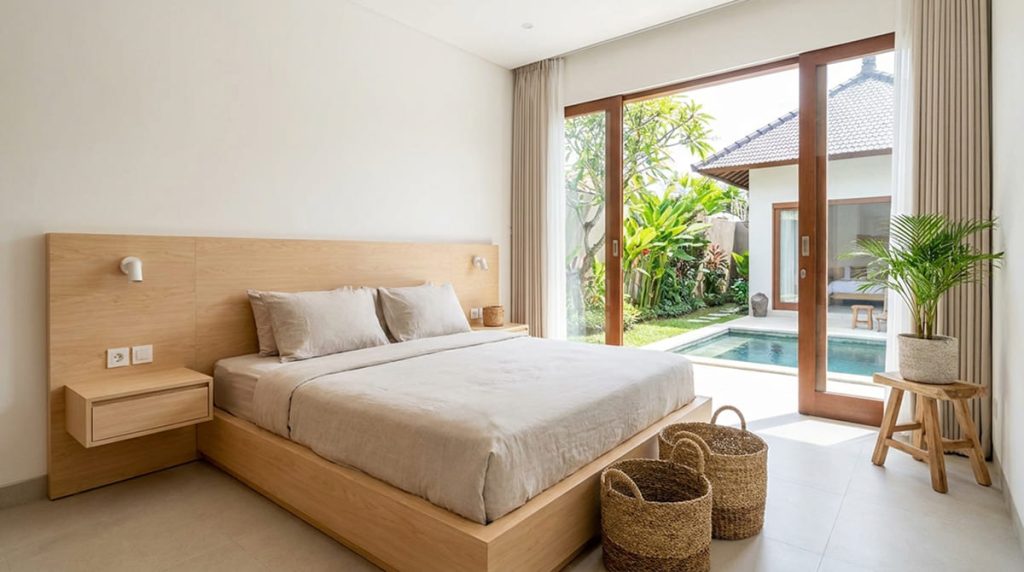
Custom Interior Furniture in Bali: Simple Touches for Luxurious Elegance Blog When designing a luxury private residence or vacation villa, selecting custom interior furniture in bali represents the smartest choice. This approach creates high-end elegance without massive budgets or structural demolition. When property owners feel a space lacks sophistication, they often plan expensive renovations. However, true luxury in professional interior architecture rarely means excess. Instead, authentic elegance stems from spatial clarity, proportion manipulation, and intelligent lighting. Furthermore, tactile material refinement transforms plain rooms into hotel-grade sanctuaries. Consequently, simple design touches elevate your property immediately. The Philosophy of Micro-Upgrades in Luxury Villa Interiors In Bali’s competitive real estate market, buyers evaluate properties based on photogenic appeal and visual harmony. Crowding a room with mismatched trinkets creates visual clutter. As a result, spaces feel chaotic rather than serene. Specifically, professional interior architects utilize micro-upgrades. These upgrades focus resources on high-visibility architectural elements that manipulate spatial perception. Furthermore, by adjusting natural light distribution and altering ceiling height perception, you establish unhurried luxury. Additionally, introducing organic botanical accents and custom joinery anchors the entire floor plan. 1. Neutral Color Palettes & Textural Depth for Custom Interior Furniture in Bali Color shapes emotional atmosphere immediately. Bright, aggressive paint choices overwhelm a room and make furniture look mass-produced. The Neutral Foundation: High-end interiors utilize soft, luminous neutrals such as warm off-white, cashmere cream, and taupe. Consequently, neutral walls reflect natural sunlight smoothly across the room. Adding Depth Through Texture: Rather than adding harsh colors, introduce depth through tactile material textures. For instance, pair a warm white wall with a natural teak wood-grain sideboard and a boucle fabric sofa. Therefore, this monochromatic, texture-rich approach creates understated elegance. When pairing these foundations with custom interior furniture in bali, you ensure every material layer remains timeless and structurally sound. 2. Layered Architectural Lighting: Calibrating Ambiance and Warmth Relying on a single ceiling downlight casts harsh downward shadows on furniture. Consequently, this washes out fine textures and makes interiors feel clinical. During the day, maximize natural sunlight distribution by keeping window openings clear. In the evening, establish atmosphere by layering three distinct light sources: Ambient Layer: Concealed ceiling cove lighting or dimmable recessed spotlights. Task Layer: Recessed under-cabinet LED channels in custom kitchen sets and reading lamps beside platform beds. Accent Layer: Warm (2700K) LED strip channels hidden beneath floating joinery toe-kicks and vanity units. Moreover, this layered lighting configuration softens hard room angles. It highlights timber grains and produces a cozy resort-style glow. 3. Statement Architectural Botanicals: Making Bold Greenery Accent Choices Indoor plants add natural vitality, color, and organic geometry to living spaces. However, displaying ten tiny, mismatched potted plants creates visual clutter. Therefore, replace scattered pots with a single architectural plant measuring 1.5 to 2.0 meters in height. Top species for tropical villa interiors include: Fiddle Leaf Fig (Ficus Lyrata): Features large, glossy, sculptural leaves that add vertical elegance. Monstera Deliciosa: Delivers iconic tropical split-leaf geometry that pairs beautifully with natural timber joinery. Bird of Paradise (Strelitzia): Offers broad, banana-like leaves that create a bold statement in room corners. Additionally, house your statement plant inside a sleek, matte white planter. This keeps the visual focus entirely on the plant’s natural silhouette. 4. Floor-to-Ceiling Drapery: Manipulating Spatial Proportions and Scale Window curtains serve as powerful architectural tools for manipulating room scale. Mounting curtain rods directly above window frames cuts wall height visually. Consequently, ceilings feel lower than they actually are. Specifically, mount drapery tracks directly against the ceiling line or recessed inside light coves. Extend the track 20 to 30 cm past the window frame on both sides. Furthermore, choose heavy, high-quality fabrics such as natural slub linen or lined blackout cotton. Allow the fabric to cascade straight down until it barely brushes the floor. As a result, hanging curtains from ceiling to floor creates an illusion of soaring ceiling heights. 5. Oversized Architectural Mirrors: Expanding Spatial Depth and Light Mirrors act as visual windows that multiply indoor light and double perceived room depth. Specifically, position a large floor-standing mirror directly opposite a natural light source. For example, place it facing a glass sliding door that opens to a tropical garden. Consequently, the mirror reflects outdoor greenery and natural sunlight back into dark room corners. This instantly makes small living rooms feel twice as bright and twice as large. In addition, frame oversized mirrors using materials that match surrounding joinery. Excellent choices include thin matte black aluminum, brushed brass, or solid kiln-dried teak. The Anchoring Role of Custom Interior Furniture in Bali While drapery, lighting, plants, and mirrors provide immediate visual elevation, true interior elegance requires order. Mismatched retail furniture makes living spaces feel temporary and fragmented. Bespoke custom interior furniture in bali serves as the architectural anchor of a luxury interior. Fitted floor-to-ceiling wardrobes, floating TV consoles, and built-in headboard platforms conceal storage clutter behind sleek facades. When developers commission custom interior furniture in bali, joinery is custom-built to match exact room dimensions. Finished in coordinated materials—including High Moisture Resistance (HMR) board, SVLK-certified Marine Plywood, and natural wood veneers—the entire interior operates as a cohesive sanctuary. Transform Your Property with Bali Interio Creating an extraordinarily elegant home does not require massive demolition or exorbitant budgets. Instead, it requires intentional spatial planning, refined material choices, intelligent lighting, and precise execution. At Bali Interio, we help property owners, villa developers, and investors realize the full potential of their interiors. As Bali’s premier turnkey interior design and custom furniture manufacturer, we provide complete interior solutions. From spatial consultation and 3D CAD rendering to custom joinery production and site installation, we manage every step. Contact the Bali Interio team today to schedule an initial consultation. Lates Project edit post Custom Kitchen Set Bali: The Villa Belladonna Project edit post Custom Kitchen Set Bali: Mrs. Halimah Island Project edit post Custom Guest Bathroom Vanity Bali: The Villa Belladonna Project Get In Touch Let’s Talk About Your Project
3D Kitchen Design Bali: Global Styles & Custom Joinery
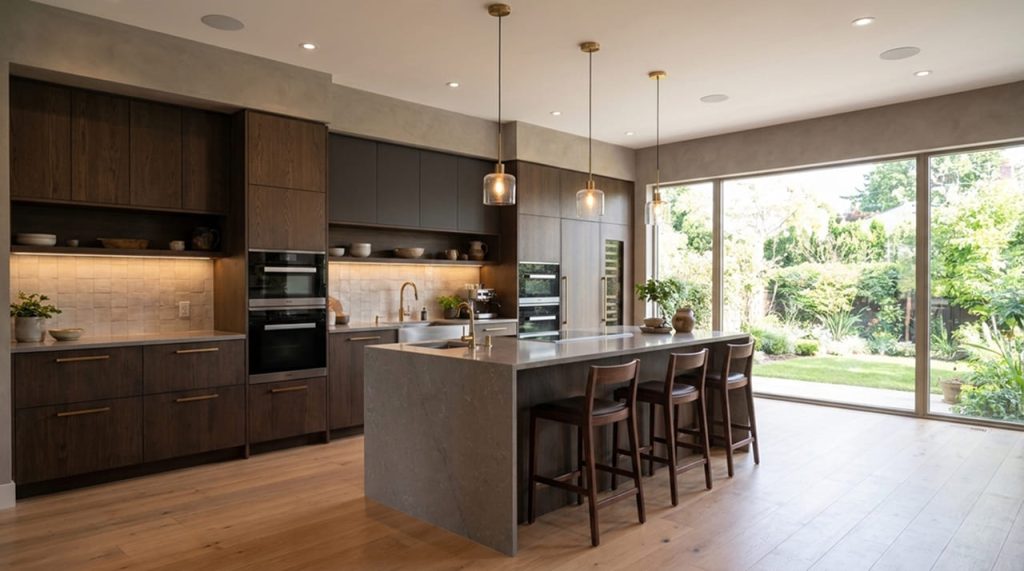
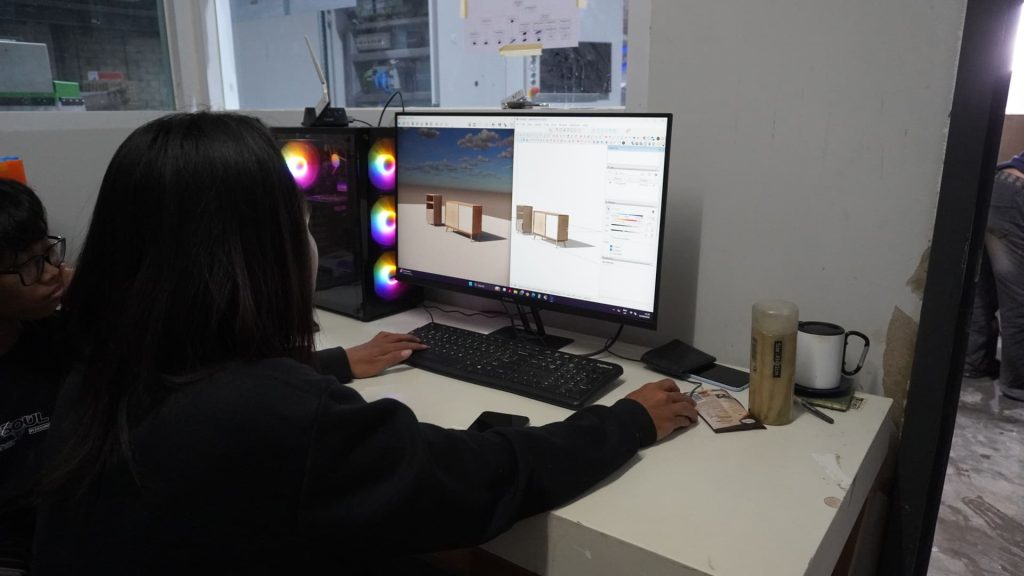
3D Kitchen Design Bali: Rendering Global Styles for Tropical Villa Living Blog In luxury residential design across Bali, the kitchen has evolved into an international design canvas. Homeowners, real estate developers, and international expats bring diverse cultural inspirations from around the globe. They seek the sunlit simplicity of Nordic Europe, the sleek minimalism of Milan, the romantic charm of Parisian townhouses, and the social layouts of North America. However, translating a global kitchen concept into a physical villa requires careful adaptation. You must customize global aesthetics to match local spatial proportions, mechanical utilities, and demanding tropical climate conditions. At Bali Interio, we bridge the gap between international inspiration and flawless local manufacturing through advanced photorealistic 3D CAD rendering. By visualizing your custom kitchen in 3D before cutting a single panel, you audit spatial ergonomics, test color palettes, evaluate lighting layers, and verify climate engineering. The Power of Pre-Production 3D CAD Visualization for Villa Kitchens Manufacturing a high-end custom kitchen set in Bali based solely on hand sketches or 2D blueprints introduces unnecessary risk. Flat drawings fail to convey how natural tropical sunlight interacts with wood veneers. Furthermore, 2D plans cannot illustrate how shadow gaps appear across cabinet faces or whether a central island leaves sufficient walkway clearance. Photorealistic 3D CAD rendering transforms abstract concepts into a precise digital prototype. Through our 3D design workflow, you can: Evaluate Real Material Textures: See exactly how natural oak HPL, matte Duco lacquer, and stone surfaces react under daytime sunlight and 3000K warm LED illumination. Audit Spatial Ergonomics: Verify the classic Work Triangle (refrigerator, sink, cooktop) and ensure surrounding walkways preserve a comfortable 100 to 120 cm clearance. Prevent Costly On-Site Errors: Detect mechanical plumbing conflicts, electrical placement issues, and structural column overlaps during the digital phase when adjustments cost nothing. 1. Scandinavian Simplicity: Luminous Light, Organic Oak & Tropical Hygiene Scandinavian kitchen design originates from Nordic regions where winter daylight is limited. Consequently, this style focuses on maximizing natural light distribution, functional simplicity, and organic warmth (hygge). Visually, Scandinavian kitchens feel bright, airy, and uncluttered. Upper cabinetry features matte white handleless facades, while lower base cabinets showcase pale oak wood-grain laminates. To adapt this style for Bali villas, we utilize pale Oak High-Pressure Laminate (HPL) pressed over High Moisture Resistance (HMR) green boards. This delivers the visual warmth of Nordic timber while completely eliminating the risk of wood warping in high humidity. 2. Modern Italian Luxury: Handleless Gola Profiles & High-Contrast Monoliths Italian kitchen architecture—centered in design capitals like Milan—is world-renowned for sleek minimalism, monolithic geometry, and seamless material transitions. Italian kitchens feature handleless cabinet fronts utilizing recessed anodized aluminum Gola profiles or electronic push-to-open hardware. Designers pair deep, dark matte cabinetry with dramatic stone waterfall islands to create a powerful architectural contrast. In Bali’s humid climate, dark cabinets can easily show finger smudges and moisture marks. Therefore, we utilize super-matte, anti-fingerprint HPL or multi-coat Polyurethane (PU) Duco lacquers. Furthermore, appliance garages with retractable pocket doors conceal cooking equipment, maintaining a pristine, hotel-grade appearance. 3. French Classic Modern: CNC-Milled Shaker Detailing & Brass Accents French Classic Modern design merges the romantic heritage of Parisian Haussmann apartments with modern culinary utility. It balances formal architectural symmetry with delicate artisanal details. This archetype showcases refined Shaker-style door profiles, soft muted tones (such as Sage Green or Cream), crown moldings, and brushed brass hardware that develops a rich patina over time. Executing Shaker profiles in humid tropical environments requires advanced manufacturing. Solid wood frames tend to warp or split under humidity shifts. Consequently, Bali Interio mills cabinet doors from single-piece moisture-resistant HMR panels using high-precision CNC routers. We then seal the panels with UV-resistant Duco spray lacquer for a flawless finish. 4. Contemporary American: High-Capacity Social Islands & Expansive Pantries American kitchen architecture reflects a social lifestyle centered around family gatherings, entertainment, and high-capacity storage. The central focal point is an expansive kitchen island with overhang seating for four to six guests. Surrounding walls feature floor-to-ceiling pantry cabinetry equipped with full-extension pull-out organizers. For sprawling rental villas in Canggu or Uluwatu, American-style layouts provide the multi-cook space needed for private chefs and large guest groups. Additionally, our pantries incorporate internal ventilation channels to ensure stored dry food stays fresh and dry despite ambient humidity. Tropical Structural Adaptation: Engineering Global Kitchens for Bali’s ClimateDirectly importing European or American cabinet specifications to Bali often leads to premature failure. Kitchens engineered for cold, dry climates suffer when exposed to Bali’s humidity (>80%), coastal salt air, and wood-boring insects. Bali Interio applies a strict Tropical Structural Adaptation protocol: Substrate Engineering: We replace standard particleboard cores with water-resistant High Moisture Resistance (HMR) green board and SVLK-certified Marine-Grade Plywood. Watertight Edge Sealing: All panel perimeters are machine-sealed with high-temperature Polyurethane (PUR) hot-melt adhesive, creating an airtight moisture shield. Marine-Grade Hardware: Moving mechanical parts—including hinges, drawer slides, and Gola channels—utilize anti-corrosive European hardware (Blum or DTC) tested against coastal rust. Visualize and Build Your World-Class Kitchen with Bali Interio You do not need to settle for generic, off-the-shelf kitchen designs. Whether you prefer Scandinavian minimalism, Italian modernism, French classic cabinetry, or American social islands, your vision can be rendered and manufactured to perfection in Bali. At Bali Interio, we combine world-class 3D CAD visualization with European production machinery—including automated lamination presses, Selco beam saws, and multi-axis CNC routers. Contact the Bali Interio team today to schedule your consultation and request a custom 3D design proposal. Lates Project edit post Custom Kitchen Set Bali: The Villa Belladonna Project edit post Custom Kitchen Set Bali: Mrs. Halimah Island Project edit post Custom Guest Bathroom Vanity Bali: The Villa Belladonna Project Get In Touch Let’s Talk About Your Project
2026 Bali Villa Interior Design Trends: Custom Luxury Joinery
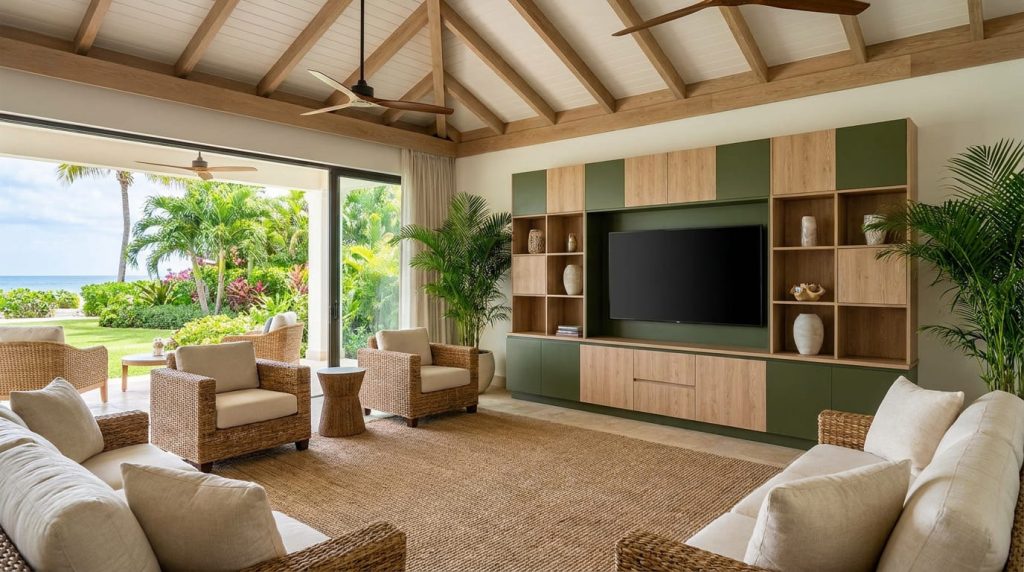
2026 Bali Villa Interior Design Trends: Modern Tropical Luxury & Custom Joinery Blog Across Bali’s booming property market, villa design no longer relies on temporary visual charm. In 2026, international buyers, holidaymakers, and luxury tenants demand a sophisticated combination of spatial comfort, climate resilience, sustainable craftsmanship, and memorable living experiences. Aligning your property with emerging 2026 design expectations directly boosts rental yields, elevates market value, and ensures long-term structural durability. The 2026 Paradigm Shift: From Surface Styling to Experiential Architecture In previous years, interior setups relied heavily on superficial decorating—arranging mass-produced loose furniture inside generic white concrete rooms. However, coastal salt air, ambient humidity, and heavy guest turnover rapidly degrade low-grade retail furniture. In 2026, leading interior designers approach villa fit-outs as holistic architectural ecosystems. Modern design focuses on sensory interactions: How natural daylight filters through slatted timber screens, How natural cross-ventilation cools living zones, and How custom cabinetry integrates seamlessly into structural wall planes. 1. Elevated Modern Tropical Aesthetics: Refined Material Layering The Modern Tropical aesthetic remains the leading design movement in Bali, but 2026 introduces a far more sophisticated execution. Rather than relying on raw, rustic finishes, modern tropical design combines sleek contemporary geometry with refined, hand-crafted textures: Kiln-Dried Teak & Suar Hardwoods: Rich timber grains utilized for floating bed platforms, slatted feature walls, and dining tables. Honed Volcanic Basalt & Travertine: Textured natural stone surfaces for floating bathroom vanities, backsplashes, and floor transitions. Handwoven Rattan & Bamboo Inserts: Breathable, tactile woven panels integrated into custom wardrobe doors and cabinet fronts. Belgian Linen & Organic Cotton: High-performance, breathable textiles that provide deep tactile comfort. 2. Earth-Tone Color Palettes: Sand, Terracotta, Olive & Warm Teak 2026 color forecasts celebrate grounding, nature-inspired palettes that create an immediate sense of sanctuary. Stark, clinical grays are replaced by rich neutrals: Warm Sand & Cream (60% Base): Soft off-white tones applied to walls and large cabinetry runs to diffuse natural daylight. Olive Green & Terracotta (30% Secondary): Muted botanical greens and warm clay tones applied to kitchen islands, accent walls, and custom Duco cabinet finishes. Deep Teak & Charcoal (10% Accent): Rich dark timber stains and matte black metal accents that provide visual grounding and architectural contrast. 3. Seamless Indoor-Outdoor Fluidity & Architectural Joinery Dividers Bali’s equatorial climate encourages open-concept living. In 2026, open-plan layouts connect indoor lounges, dining spaces, and kitchens directly with outdoor pool decks. To maintain visual order across large open areas, designers deploy custom architectural joinery as subtle room dividers. Double-sided slatted timber screens, low-profile media consoles, and hybrid kitchen islands delineate functional zones without blocking breeze pathways or natural sunlight. 4. Tailored Custom Joinery: Establishing Unique Property Identity Off-the-shelf retail furniture leaves awkward spatial gaps, fails to utilize room height, and creates visual friction across open layouts. In 2026, tailored custom joinery serves as the primary tool for establishing a villa’s architectural identity. Floor-to-ceiling wardrobes, built-in platform beds with integrated nightstands, floating vanities, and custom kitchen sets are engineered to fit room contours down to the millimeter. To withstand tropical conditions, custom joinery uses High Moisture Resistance (HMR) board and SVLK-certified Marine-Grade Plywood sealed with Polyurethane (PUR) edge-banding, ensuring cabinetry will not warp or swell under high humidity. 5. Eco-Certified (SVLK) & Climate-Resilient Material Sourcing Environmental responsibility and health-conscious design are non-negotiable standards for luxury villa development in 2026: SVLK Timber Certification: Guarantees 100% legal timber harvesting from sustainably managed Indonesian forests. Low-VOC & Water-Based Finishes: Non-toxic Polyurethane (PU) finishes and natural oil waxes protect indoor air quality without off-gassing chemical vapors. Durable Moisture-Shield Substrates: Engineered core materials resist fungal mold, termites, and high humidity, preventing premature replacement waste. Engineer Your 2026 Villa Masterpiece with Bali Interio Developing an extraordinary villa requires balancing aesthetics, ergonomics, climate engineering, and financial ROI. At Bali Interio, we turn architectural visions into reality. We pair industrial European production machinery—automated lamination presses, Selco panel saws, and multi-axis CNC routers—with artisan craftsmanship. From 3D CAD spatial rendering and laser site surveys to factory production using SVLK-certified materials and white-glove installation, our engineering team manages every detail. Contact the Bali Interio team today to schedule an initial consultation. Lates Project edit post Custom Kitchen Set Bali: The Villa Belladonna Project edit post Custom Kitchen Set Bali: Mrs. Halimah Island Project edit post Custom Guest Bathroom Vanity Bali: The Villa Belladonna Project Get In Touch Let’s Talk About Your Project
Custom Interior Furniture in Bali: Quiet Luxury Details
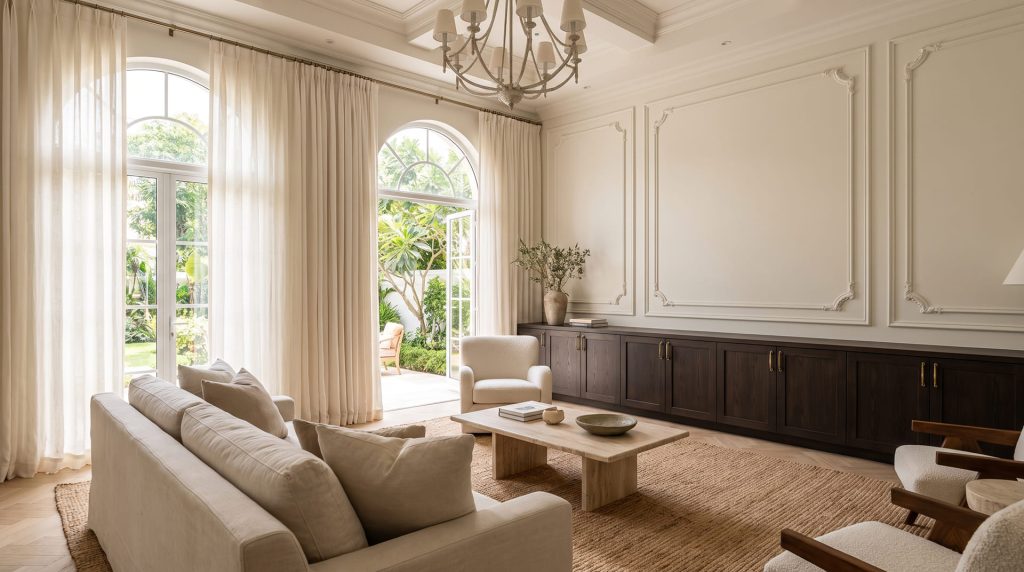
Custom Interior Furniture in Bali: The Quiet Luxury of Architectural Micro-Details Blog When visualizers render a luxury villa, executive penthouse, or high-end private residence, they typically emphasize grand architectural features. Expansive floor-to-ceiling glass walls, sprawling open-plan living pavilions, imported natural marble countertops, and infinity swimming pools dominate the visual presentation. However, upon stepping inside a truly extraordinary space, a profound sensation of harmony unfolds. This immediate feeling of sophistication relies on far more than grand architectural elements alone. Instead, authentic elegance stems from what interior architects define as “quiet luxury”—the deliberate, meticulous execution of subtle micro-details. While untrained eyes might overlook these nuanced features, the human subconscious immediately registers their quality. In Bali’s competitive real estate market, luxury vacation villas and private estates constantly compete for discerning international buyers and guests. Relying exclusively on expensive loose furniture is no longer sufficient. Neglecting micro-details—such as cheap plastic light switches, ill-fitting window curtains, or basic factory cabinet knobs—instantly diminishes the perceived value of an entire interior. By giving intentional thought to five frequently ignored design details, you transform a standard room into an extraordinary, hotel-grade architectural sanctuary. Why True Luxury Resides in Micro-Architectural Details Great interior design relies on seamless visual and physical harmony. Just as a bespoke tailored suit requires precision stitching, hand-selected buttons, and silk lining to achieve a flawless drape, a home depends on refined finishing details to tie disparate architectural elements together. When developers ignore small details, visual friction occurs immediately. For example, a yellowing plastic electrical outlet ruins an otherwise beautifully rendered feature wall. Similarly, a custom kitchen set feels cheap if fitted with flimsy aluminum handles that flex when pulled. Addressing these micro-details transforms an interior from an assembly of loose furniture into a cohesive, custom-engineered living space. 1. Floor-to-Ceiling Drapery: Elevating Spatial Proportions and Scale Window drapery serves a far greater purpose than blocking direct sunlight; it acts as a powerful architectural tool for manipulating spatial proportions. DIY decorators frequently make two common mistakes: selecting thin, unlined fabrics and mounting curtain rods directly above the window frame. Consequently, this creates a visually truncated window that makes high ceilings feel significantly lower. The Architectural Rule: Always mount drapery tracks or curtain rods as high as possible—either flush against the ceiling structure or directly beneath crown moldings. Extend the curtain rod 20 to 30 cm wider than the window frame on both sides. The Fabric Drop: Allow heavy natural linen, textured sheer, or lined cotton fabrics to cascade straight down to brush or pool gracefully on the floor. The Visual Result: This simple adjustment draws the human eye upward, creating a dramatic optical illusion of soaring ceiling height and grand scale. 2. Architectural Switchgear: Upgrading Mechanical Touchpoints with Metallic Plates Standard builder-grade electrical switches and power outlets utilize cheap white ABS plastic. Over time, exposure to ambient UV light and coastal tropical air turns white plastic into a dingy, yellowed eyesore that degrades fine wall finishes. To resolve this, upgrade visible light switches and power sockets to architectural-grade faceplates. Brushed brass, matte black anodized aluminum, bronze, or real timber faceplates turn functional utility points into intentional design accents. Furthermore, align electrical plate finishes with surrounding custom joinery hardware. Placing a heavy, tactile brushed brass toggle switch on a dark wood veneer wall creates a satisfying visual and physical connection every time you enter the room. 3. Custom Cabinet Hardware: Treating Handles and Knobs as Fine Room Jewelry Cabinet handles, drawer pulls, and door levers represent the primary physical touchpoints between occupants and custom joinery. Despite this constant physical contact, builders frequently treat hardware as an afterthought, installing lightweight factory stock. In high-end joinery, hardware functions as fine jewelry for your furniture. Replacing mass-market knobs with heavyweight solid knurled brass, hand-forged iron, copper, or natural stone pulls instantly elevates the perceived quality of a cabinet. Every time a guest opens a wardrobe door or kitchen drawer, the substantial weight, cool metallic temperature, and precision movement signal superior craftsmanship. 4. Substantial Skirting and Wall Moldings: Grounding Interior Architecture The boundary where a plastered wall meets the floor slab requires careful transition planning. Leaving wall transitions untreated or covered with a flimsy 5 cm tile trim makes rooms feel unfinished and structurally thin. Incorporating substantial timber or moisture-resistant composite skirting boards measuring 15 to 20 cm in height provides a grounded visual foundation for walls. Additionally, adding subtle geometric wall paneling or wainscoting breaks up vast, monotonous wall planes. Wall moldings add shadow depth, structural rhythm, and architectural heritage without consuming a single square centimeter of floor space. 5. Concealed Low-Glare Micro-Lighting: Creating Ambience and Architectural Floating Effects Relying entirely on bright ceiling downlights casts harsh downward shadows and washes out rich interior textures. The subtle art of architectural lighting lies in hiding the light source while celebrating its glow. Integrate hidden, low-glare LED channels beneath kitchen toe-kicks, under floating vanity units, inside open bookshelf nooks, and behind bed headboard panels. Low-level warm white (2700K to 3000K) accent lighting washes across floor planes softly. This provides relaxing nighttime navigation while making floating joinery appear to hover effortlessly in space. Craft Your Refined Architectural Sanctuary with Bali Interio Creating an elegant, high-value home does not require massive structural overhauls or loud displays of wealth. True sophistication resides in the quiet, harmonious execution of fine architectural details. At Bali Interio, we define exceptional interior design through meticulous care at every scale. From 3D CAD spatial engineering and laser site surveying to custom joinery manufacturing and white-glove hardware installation, our team manages every micro-detail with dedicated craftsmanship. We utilize climate-resilient materials—including SVLK-certified marine plywood, High Moisture Resistance (HMR) board, and kiln-dried solid hardwoods—to ensure your tailored details retain their beauty in Bali’s tropical environment. Contact the Bali Interio team today to schedule your private design consultation. Lates Project edit post Custom Kitchen Set Bali: The Villa Belladonna Project edit post Custom Kitchen Set Bali: Mrs. Halimah Island Project edit post Custom Guest Bathroom Vanity Bali: The Villa Belladonna Project Get In Touch
5 Elegant Red and White Home Decor Ideas for HUT RI
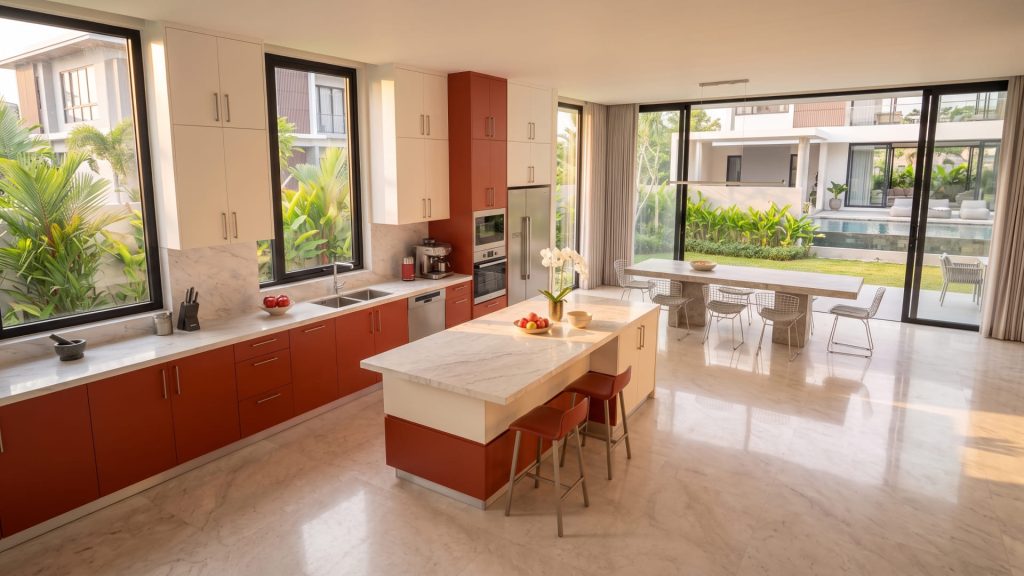
5 Elegant Red and White Home Decor Ideas to Celebrate Indonesian Independence Day Blog Every August, the people of Indonesia unite to commemorate Hari Ulang Tahun Republik Indonesia (HUT RI) with national pride, joy, and festive community gatherings. Across towns and cities, streets are decorated with red-and-white banners, and the national flag flies proudly in front of homes and commercial buildings. Beyond outdoor decorations, bringing the spirit of Independence Day into your home interior offers a wonderful opportunity to refresh your living space. You do not need to undergo a major renovation or purchase expensive, temporary plastic decorations that generate post-holiday waste. By thoughtfully layering red and white home decor palettes across your living room, dining area, and outdoor patio, you can establish a festive, patriotic atmosphere that feels sophisticated, modern, and deeply comfortable. Whether you are preparing a private family home, a boutique resort, or a high-yield vacation rental villa in Bali for August holiday guests, here are five elegant interior styling strategies to celebrate Indonesian Independence Day in style. The Art of Subtle Independence Day Interior Styling In high-end interior architecture, incorporating patriotic color themes requires a refined balance. Overusing vibrant scarlet red across large surface areas can make a room feel chaotic, visually loud, or overly intense. The key to successful seasonal styling is adhering to the classic 60-30-10 interior color rule: 60% Dominant Base: Neutral white, off-white, cream, or natural light wood tones on walls, ceilings, and large custom cabinetry runs. 30% Secondary Tone: Grounding neutral colors on large furniture pieces, such as light gray sofas, natural teak dining tables, or beige stone flooring. 10% Accent Color: Bold, energetic red highlights strategically distributed through soft furnishings, tableware, art pieces, and botanical arrangements. Using bright red as a focused 10% accent color transforms specific interior zones into dynamic focal points without disrupting the peaceful, relaxing atmosphere of your home. 5 Sophisticated Red & White Decor Ideas for Your Home 1. Introduce Refined Crimson Accents to Lounge Areas The living room serves as the social heart of the home, making it the ideal location to introduce patriotic color accents. If your living room already features white walls and custom cabinetry, adding temporary red accents creates an instant visual transformation. Replace everyday sofa cushion covers with a mix of deep crimson and crisp white throw pillows. Furthermore, drape a soft red throw blanket across the armrest of a neutral sofa to add warmth and tactile comfort. Finally, place a handcrafted red ceramic bowl or a ruby glass vase on your coffee table to draw the eye naturally to the center of the room. 2. Curate Minimalist Red & White Decorative Accessories Rather than displaying mass-produced plastic ornaments, choose carefully curated, minimalist decorative accessories that align with your broader interior design concept. Arrange matte white ceramic candleholders paired with deep red taper candles on sideboards or mantelpieces. Additionally, temporarily display framed black-and-white historical photographs, Indonesian architectural sketches, or abstract red-and-white minimalist canvas art inside sleek white frames. This creates a refined cultural tribute that elevates room elegance. 3. Elevate Your Dining Table Architecture for Festive Gatherings Meals are central to Independence Day celebrations, whether hosting an intimate family lunch or entertaining guests at a villa holiday dinner. Transforming your dining table into a festive centerpiece establishes a memorable setting. Spread a deep red linen table runner down the center of a crisp white tablecloth. Next, set the table with minimalist white porcelain dinner plates, silver cutlery, and neatly folded red cloth napkins secured with brass rings. To complete the look, position a low-profile white ceramic vase filled with vibrant red local flowers—such as red hibiscus or red ginger blossoms—at the center of the table. 4. Pair Fresh Indoor Botanicals with Sleek White Planters Indoor house plants add vitality, oxygen, and natural tropical freshness to interior spaces. Combining lush green foliage with crisp white planters and red floral accents offers a fresh interpretation of the red and white home decor theme. House tropical indoor plants inside matte white ceramic planters. Then, pair them alongside potted red tropical flowers like Anthuriums (Laceleaf) or Red Aglaonema. The striking combination of rich green leaves, bright red blooms, and pristine white planters beautifully bridges natural tropical beauty with national heritage colors. 5. Calibrate Warm Architectural Lighting to Enhance Ambience Lighting plays a crucial role in shaping the evening atmosphere of your home. Bright, cool-toned lighting can make red accents look harsh or aggressive. Therefore, utilize warm white lighting (2700K – 3000K) for recessed ceiling downlights, floor lamps, and pendant lights. Warm illumination softly highlights natural timber grains and creates a cozy evening glow. If your home features custom joinery with integrated LED channels, dim the main overhead lights in the evening to let the warm accent lighting gently illuminate your festive display decor. Balancing Seasonal Themes with Year-Round Custom Design While decorating for Independence Day is an enjoyable annual tradition, the most effective home interiors are built on a versatile, durable foundation. Relying on temporary decorations to hide structural defects or worn furniture is only a short-term fix. Investing in bespoke custom joinery—such as built-in white lacquer wardrobes, natural teak media consoles, and neutral kitchen sets—provides a timeless architectural canvas that adapts effortlessly to any holiday theme throughout the year. With high-quality custom cabinetry from Bali Interio, you can seamlessly transform your space for Indonesian Independence Day in August, adapt it for end-of-year holidays in December, and maintain a serene, uncluttered sanctuary every day in between. Create Your Timeless Dream Interior with Bali Interio A truly comfortable home is designed to celebrate life’s special moments while delivering functional ease, spatial harmony, and visual beauty every day of the year. At Bali Interio, we design, manufacture, and install custom interior fit-outs and bespoke joinery tailored specifically to your lifestyle and property layout. Using climate-resilient, SVLK-certified materials and master craftsmanship, we build custom kitchen sets, wardrobes, and living room consoles designed to withstand Bali’s tropical environment. For more inspiration on styling and organizing your property, be
Behind Every Elegant Wardrobe: Precision Planning
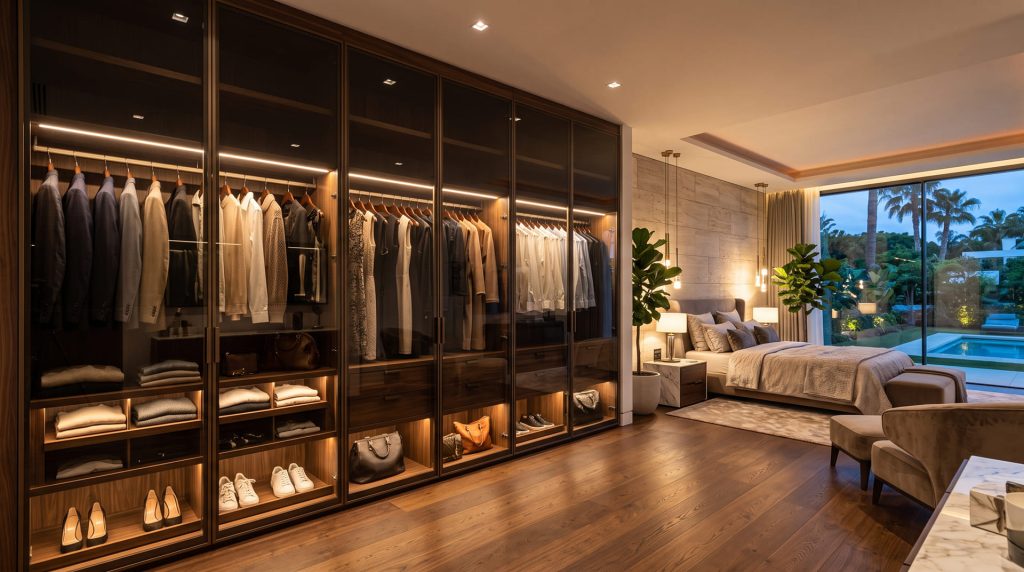
Behind Every Elegant Wardrobe: The Invisible Planning & Engineering | Custom Joinery Bali Blog In luxury residential design and boutique villa hospitality across Bali, a custom wardrobe is far more than a simple storage cabinet for clothing and personal belongings. It is a major architectural element that defines the bedroom’s character, preserves visual order, and establishes the daily rhythm of personal preparation. When observing a completed luxury wardrobe—featuring sleek floor-to-ceiling doors, rich timber veneers, integrated LED accent channels, and perfectly organized interior compartments—the immediate impression is one of effortless elegance. However, in professional interior joinery, true elegance is never an accident. Behind every flawless facade lies an intricate, invisible engineering process. A luxury wardrobe is the culmination of rigorous site surveys, ergonomic calculations, user lifestyle auditing, industrial factory machining, multi-stage quality control, and precision site installation. Understanding this hidden workflow explains why bespoke pre-planned wardrobes offer unmatched functional comfort, structural longevity, and long-term property value. Why True Luxury Wardrobes Require Unseen Precision Planning A common misconception among property owners is that wardrobe quality is dictated solely by the outer finish or decorative hardware. While surface materials are important, an unplanned wardrobe built purely for outer appearance frequently fails in daily practice. Without detailed preliminary planning, wardrobes suffer from structural and functional defects: Hanging rods placed too low cause long dresses and coats to pool on drawer tops. Shallow cabinet depths force suit jackets to crush against closing doors. Unventilated carcasses in high-humidity coastal zones trap moisture, resulting in mold growth on leather goods. Incorrect door hardware causes heavy panels to sag and drag across floors within months. At Bali Interio, we treat wardrobe manufacturing as an integrated engineering discipline. By executing an exhaustive 5-phase planning framework, we ensure that every custom wardrobe looks extraordinary, operates effortlessly, and performs reliably in Bali’s tropical environment. Phase 1: Architectural Site Survey & Personalized User Analysis 1. Laser Site Surveying and Structural Architectural Mapping Every custom wardrobe project begins with a comprehensive on-site survey. Interior technicians utilize high-precision 3D laser scanners to map room dimensions, floor-level variances, wall plumb angles, and ceiling drops. Technicians document key architectural elements, including: Position of electrical junction boxes, light switches, and air conditioning conduits. Proximity to bathroom doorways and potential moisture migration paths. Natural sunlight entry angles to prevent long-term UV discoloration on dark timber veneers. 2. User-Centric Inventory Auditing & Compartment Customization A wardrobe should adapt to the user’s specific wardrobe inventory, not the other way around. During the initial design consultation, our designers audit the client’s storage habits. We calculate required hanging linear meters for long evening gowns versus short folded shirts, quantify shoe collection capacities, designate velvet-lined trays for jewelry and watches, and plan concealed security safe compartments. This personalized approach guarantees that every cubic centimeter of internal volume serves a clear functional purpose. Phase 2: Master-Level Wardrobe Ergonomics & Spatial Dimensional Rules Ergonomics is the science of designing furniture to fit human physical proportions and natural movement paths. A well-engineered wardrobe ensures all stored items remain within comfortable reach without requiring unnatural stretching or bending. 1. Hanging Rod Elevation & Vertical Clearance Height Calculations To keep garments pristine and unwrinkled, hanging compartments adhere to strict ergonomic clearances: Long Hanging Compartments: Engineered with 160–180 cm of clear vertical height for full-length dresses, winter coats, and formal evening wear. Short Hanging Compartments: Configured with 90–110 cm of vertical clearance for business shirts, folded trousers, skirts, and suit jackets. Double-Tier Hanging Units: Position upper rods at 210–220 cm height equipped with drop-down pull-down wardrobe lifts, pairing them with lower fixed rods at 100 cm height to double capacity in high-ceiling rooms. 2. Depth Calibration & Door System Mechanics (Sliding vs. Swing) Carcase Depth Standards: Standard wardrobe overall depth is strictly maintained at 55–60 cm. This depth ensures wide-shouldered suit jackets and heavy coats hang naturally without sleeve edges catching in closing doors. Sliding Door Mechanics: Ideal for compact rooms or narrow walkways. Because sliding panels glide horizontally on top-hung tracks, they require zero front clearance. Swing (Hinged) Door Mechanics: Recommended for spacious master suites where full 100% interior visibility is desired. Swing doors require 50–60 cm of clear front opening space, allowing doors to swing outward up to 110 degrees without hitting nightstands or bed frames. Phase 3: High-Precision Factory Fabrication (Selco Saws, CNC & Edge Banding) Once 3D CAD shop drawings are approved, production moves to our state-of-the-art manufacturing facility. Bali Interio utilizes European industrial machinery to achieve mathematical precision across every panel: Selco Numerical Control Panel Saws: Industrial beam saws process sheets of Marine-Grade Plywood or High Moisture Resistance (HMR) board. Dual-blade scoring technology cuts panels with sub-millimeter tolerances (±0.1 mm), producing crisp edges without surface chipping. Heavy-Duty PUR Edge Banding: Raw panel edges are sealed with high-temperature Polyurethane (PUR) hot-melt adhesive. PUR bonding creates an airtight, watertight seal that blocks ambient tropical humidity from penetrating the internal substrate core. Multi-Axis CNC Boring Centers: Computerized routers drill hinge mounting holes, drawer runner channels, and system 32 shelf pin arrays automatically based on CAD files, ensuring perfect hardware alignment. Phase 4 & 5: Factory Quality Control (QC) & On-Site Alignment Phase 4: Pre-Dispatch Quality Control Audits Before protective wrapping, assembled wardrobe carcasses undergo a complete dry pre-assembly inside our factory. QC inspectors test mechanical hardware, verify soft-close damper speeds, audit drawer glide resistance under weight loads, and inspect surface finishes under high-intensity task lighting. Catching discrepancies on the factory floor eliminates delays on the construction site. Phase 5: On-Site Installation, Scribing & Final Calibration Site installation transforms factory components into a seamless architectural installation. Experienced installation technicians level base frames against concrete floor variations using adjustable heavy-duty plinth legs. Technicians perform custom scribing—hand-planing filler strips so the wardrobe fits flush against uneven plastered walls without unsightly gaps or heavy silicone lines. Finally, European door hinges are micro-adjusted to establish uniform 2.0 mm shadow reveals around every door panel. Build Your Bespoke Luxury Wardrobe with Bali Interio An elegant wardrobe is not created by chance. It
Interior Design Styles Matching Your Personality | Bali Interio
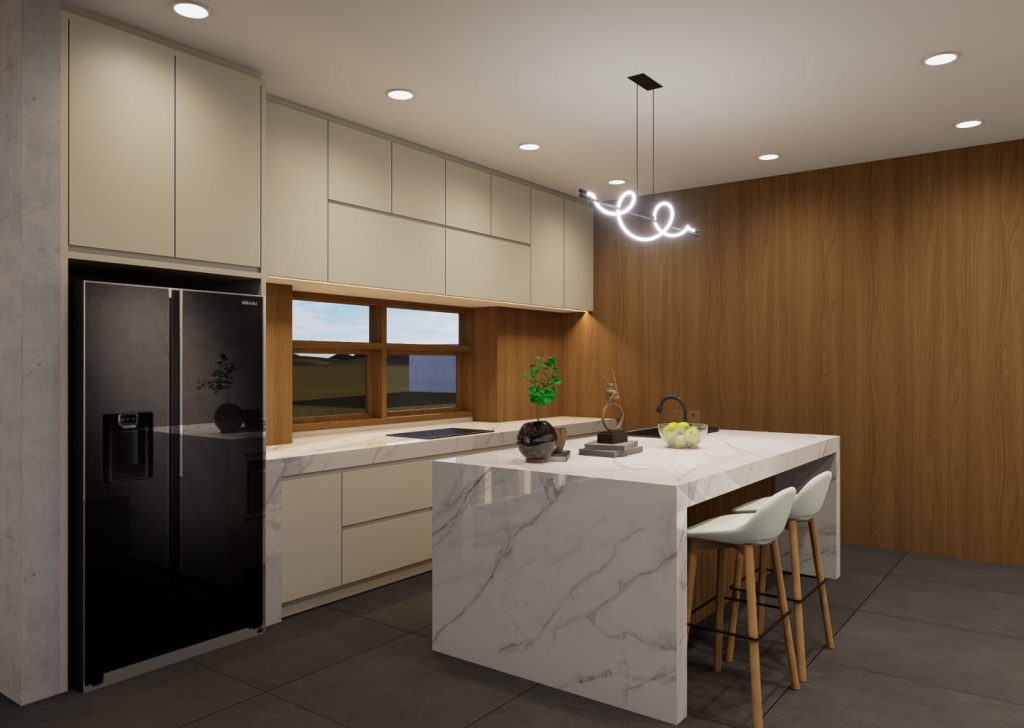
Interior Design Styles That Match Your Personality: A Bali Villa Design Guide Blog A home is far more than a physical shelter from the elements; it is an intimate expression of identity, daily habits, and emotional well-being. The colors, textures, furniture geometries, and spatial flows you select directly shape how you feel every time you step through your front door. In Bali’s dynamic real estate landscape—where private sanctuaries blend with high-yield vacation rental markets—selecting the right interior design style is crucial. Whether outfitting a serene personal residence in Ubud, a high-end beachside villa in Canggu, or an executive cliffside retreat in Uluwatu, your interior aesthetic must harmonize with your personality while responding to tropical environmental conditions. From crisp minimalism to rich classic elegance, every interior design style carries a distinct psychological vibe and material language. Discovering which design archetype aligns with your personal lifestyle is the first step toward crafting a space that feels authentically yours. Why Interior Design Should Reflect Your Personal Lifestyle & Identity Designing an interior simply by copying short-lived social media trends often leads to spatial disconnect. A home that looks stunning in a photograph may feel uncomfortable or impractical if its layout and material choices conflict with your daily routines. When interior design aligns with your innate personality, your home transforms into an environment that restores mental energy and supports productivity. Furthermore, for property investors operating luxury vacation rentals in Bali, establishing a distinct, authentic design personality gives your villa a memorable brand identity that stands out in a competitive booking market. 1. Minimalist Interior Design: Clean Geometry & Uncluttered Zen Minimalism revolves around the philosophical rule “less is more.” This style strips away unnecessary ornamentation, focusing entirely on clean architectural geometry, spatial openness, and functional purpose. Colors remain strictly neutral—warm whites, soft grays, and muted stone tones—paired with completely handleless, flush custom cabinetry. Ideal For You If: You thrive in highly organized, clutter-free environments. You prioritize functional utility over decorative accessories. You appreciate timeless modern architecture that promotes mental clarity. Custom Joinery Application: Floor-to-ceiling built-in wardrobes with seamless push-to-open doors, floating TV consoles, and concealed kitchen appliance garages. 2. Japandi Interior Design: Warm Minimalism Meets Organic Wabi-Sabi Japandi is a hybrid aesthetic combining Japanese wabi-sabi philosophy (finding beauty in natural imperfection) with Scandinavian hygge (coziness and warmth). Japandi interiors feature natural light-toned timbers, slatted wooden accent panels, woven rattan inserts, low-slung platform beds, and earthy neutral textiles. Ideal For You If: You seek a tranquil, meditative retreat from busy urban life. You possess a deep appreciation for natural materials and organic textures. You desire a warm, cozy home that feels grounded and connected to nature. Custom Joinery Application: Low platform bed frames with integrated floating nightstands, slatted teak wall paneling, and breathable woven rattan wardrobe doors. 3. Scandinavian Interior Design: Luminous Spaces & Practical Elegance Scandinavian design focuses on maximizing daylight, functional simplicity, and practical comfort. Characterized by white walls, pale oak or ash timber joinery, clean lines, and cozy textiles, Scandinavian interiors create bright, welcoming spaces that maximize daylight distribution. Ideal For You If: You value practical, easy-to-maintain living spaces. You love bright, sunlit interiors filled with uplifting natural light. You enjoy balancing clean modern aesthetics with relaxed home comfort. Custom Joinery Application: Light oak kitchen sets with exposed open shelving, modular book displays, and multi-functional storage benches. 4. Modern Architectural Interior Design: Sleek Luxury & Refined Lines Modern interior design emphasizes sophisticated luxury, crisp structural lines, and premium contemporary materials. It frequently integrates dark wood veneers, smoked glass display cabinets, polished marble worktops, matte black metal accents, and concealed LED strip channels to evoke an executive atmosphere. Ideal For You If: You prefer a polished, high-end, and exclusive aesthetic. You stay aligned with contemporary architectural and technological trends. You desire an impressive, hotel-grade luxury feel without excessive traditional ornament. Custom Joinery Application: Dark veneer kitchen islands with waterfall quartz edges, glass-front wardrobe display cases, and integrated LED accent lighting. 5. Industrial Interior Design: Raw Textures & Urban Authenticity Industrial design celebrates raw, unfinished building elements. Inspired by urban loft conversions, this style highlights exposed concrete walls, structural steel beams, brickwork, and distressed, dark-stained timber. Industrial joinery combines black powder-coated iron framing with thick solid timber slabs. Ideal For You If: You resonate with bold, artistic, and unconventional aesthetics. You appreciate authentic, industrial-grade materials with strong tactile character. You enjoy a masculine, urban aesthetic that embraces raw material finishes. Custom Joinery Application: Open steel-frame shelving units, solid teak slab dining tables with black iron legs, and concrete-look HPL kitchen cabinets. 6. Classic Elegance: Ornate Craftsmanship & Timeless Majesty Classic interior design radiates grandeur, balance, and historical prestige. It features detailed crown moldings, decorative Shaker door profiles, hand-carved woodwork, rich dark timber stains, and luxurious brass or gold hardware accents. Classic interiors convey a feeling of timeless permanence. Ideal For You If: You appreciate intricate artistic craftsmanship and heritage details. You gravitate toward formal elegance, symmetry, and luxurious materials. You value traditional, high-status aesthetics that never fade with short-lived trends. Custom Joinery Application: Raised-panel Shaker kitchen cabinetry, carved solid teak vanity units, and framed library shelving with antique brass fittings. The Art of Style Fusion: Creating a Unique Modern Tropical Sanctuary While these six design archetypes offer clear aesthetic baselines, you are not restricted to choosing just one. In fact, Bali’s most breathtaking properties utilize style fusion—combining elements from two complementary styles to suit local tropical conditions. A popular fusion in Bali villa architecture is Modern Tropical, which blends the sleek geometry of Modern design with the organic warmth of Japandi and tropical natural materials. By pairing clean-lined custom cabinetry with local solid teak, volcano stone, and large sliding glass doors, you create a space that feels contemporary yet deeply connected to island living. Express Your Unique Personality with Bali Interio Your home should be an authentic reflection of who you are. Choosing an interior design style goes beyond following temporary trends—it is about creating a functional, beautiful environment tailored to your daily